
What DVI actually is
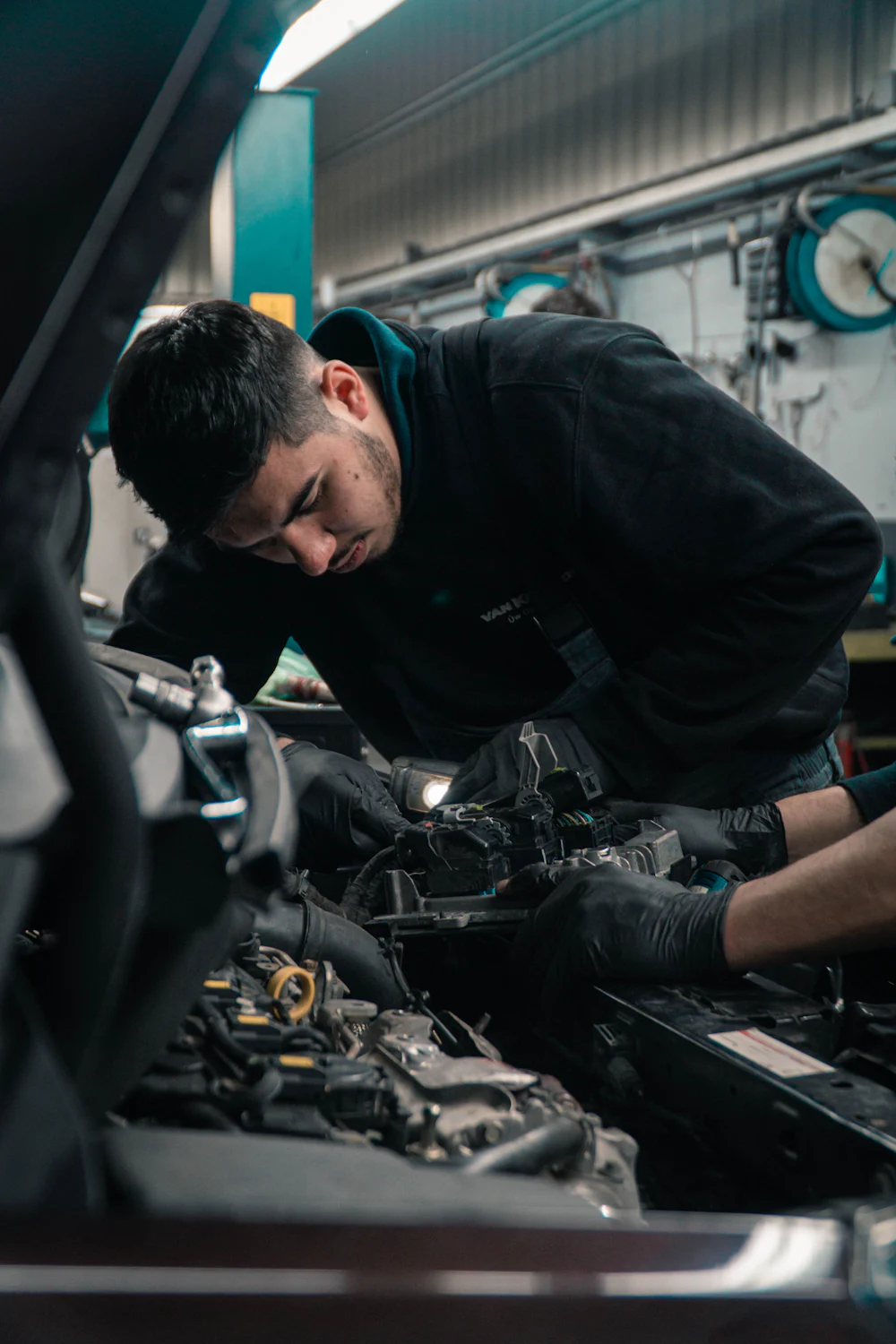
A digital vehicle inspection is the health check your technicians already do, captured as evidence instead of scribble. For each item — brakes, tyres, suspension, fluids — the tech records a condition (the familiar red/amber/green), and crucially, attaches photos or a short video of what they found. The customer receives a link: their car, their worn parts, the technician's notes, and the quote for each item with an approve button next to it. Everything is saved against the job, so next visit you can show the same disc six months more worn.
That last part matters more than it sounds: DVI turns "we advised this last time" from a line on an invoice into a photographic record — the foundation of the advisory-work pipeline that keeps a diary full between MOTs.
Why video beats the phone call
- It removes doubt, not just adds information. The barrier to approval was never that the customer didn't understand "worn discs" — it's that they couldn't verify it. Thirty seconds of video of their own car closes that gap in a way no phone description can.
- It respects how people actually communicate. A DVI link lands on their phone (Clarity-GMS sends via WhatsApp, where it actually gets watched) and they approve when they're out of their meeting — no phone tag, no "I'll call them back" notes on the desk.
- It protects you both. Declined the advisory? That's recorded too — with the evidence. When the pad wears to metal three months later, the history shows exactly what was advised and when.
- It compounds. Approved advisories per month is one of the few levers that grows revenue without a single new customer. Watch it in your quote conversion reporting once DVI is running.
The workflow in a real workshop
- On the ramp: tech spots the issue, pulls their phone out, records 20–30 seconds narrating what they see, or snaps photos. In Clarity-GMS this uploads via WhatsApp or a QR code on the job card — no app training, no dedicated tablet.
- At the desk: the inspection items get prices attached — parts and labour — turning the DVI into a quote. Two minutes, not a re-type.
- On the customer's phone: link arrives; they watch, they read, they tap approve on some or all items (Clarity-GMS's "Just Do It" option approves the lot in one tap).
- Back in the diary: approved work is booked, parts ordered, and the evidence filed against the vehicle for next time.
Watch a DVI go from ramp to approved in one demo
Video DVI is included in Clarity-GMS as standard — recorded on the tech's phone, sent by WhatsApp, approved in a tap. No extra hardware, no per-inspection fees.
DVI vs EVHC: the jargon, sorted
EVHC (electronic vehicle health check) is the older term — the digital red/amber/green checklist, born in franchised dealer processes and offered by several established UK systems. DVI (digital vehicle inspection) is the broader modern term, and in practice signals photo and video evidence rather than a coloured checklist alone. Vendors use both loosely, so skip the label and ask three questions: Can the tech capture video easily? Does the customer see evidence with prices and an approve button? Is it included in the plan I'm being quoted, or is it a module or a tier above? (Our buyer's guide covers where the main UK systems position it.)
What to look for in DVI software
- Video, not just photos — movement and narration carry the trust
- Works from the technician's own phone; no dedicated hardware to buy or break
- Sends where customers actually look (WhatsApp/SMS), not just email
- Quote attached to the evidence, with per-item tap-to-approve
- Declined advisories recorded with evidence for next visit
- Saved to the vehicle history automatically — no separate app or silo
- Included in the core price, not a per-inspection or per-device charge
The two honest objections (and honest answers)
"My techs won't do it"
They won't do anything that slows the job down — which is why the capture step has to be their own phone and under a minute. Start with one rule: no advisory goes on a quote without a photo or clip. Within a fortnight it's habit, because techs quickly notice that evidenced advisories get approved and phone-call advisories get "I'll think about it".
"My customers are older / not techy"
Watching a video from a link is the same skill as watching one a family member sends — and that population is precisely who most appreciates being shown rather than told. For the genuinely offline minority, nothing is lost: you make the same phone call you make today, now with the evidence on file.